Top 5 Tips for Choosing the Right Test Laboratories?
Choosing the right test laboratories is crucial for ensuring accuracy and reliability. It impacts quality control and product development. Many factors contribute to this decision.
Not all test laboratories are created equal. Some may lack the necessary accreditation or expertise in specific areas. This can lead to flawed testing results, which you want to avoid. Consider the laboratory's reputation and their range of services. An ideal lab should offer comprehensive testing options tailored to your needs.
Reflecting on past experiences can also help. Sometimes, organizations overlook essential details when selecting a laboratory. This often leads to regrettable outcomes. By remaining mindful of these aspects, you can make a more informed choice. Finding the right test laboratories should be a proactive process.
Identifying Your Testing Needs and Requirements
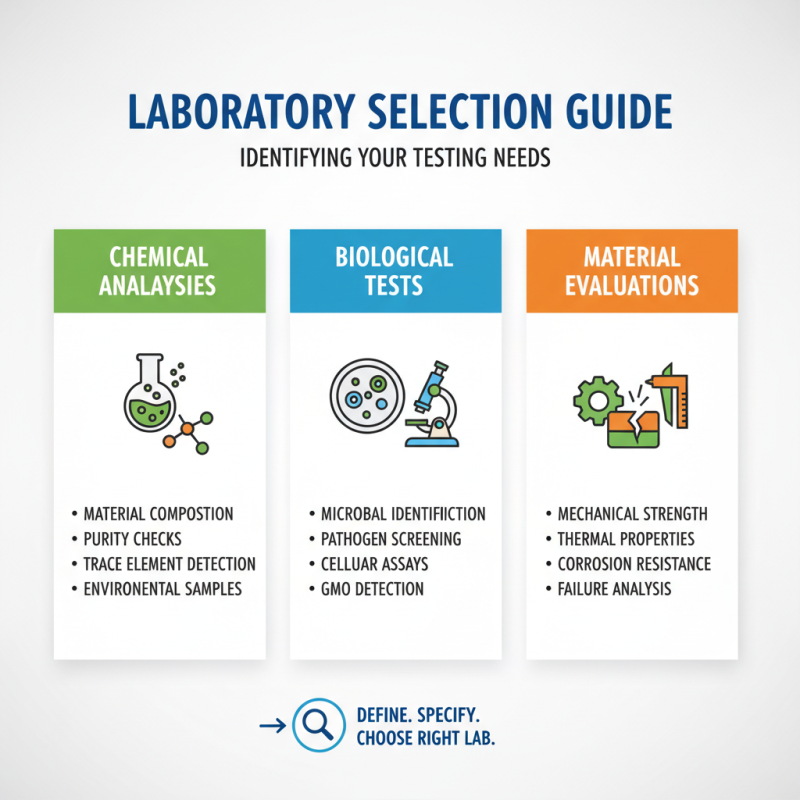
Identifying your testing needs is the first step in choosing the right laboratory. Consider what specific tests you require for your projects. Are they chemical analyses, biological tests, or material evaluations? Understanding these requirements will guide your decision.
Tip: Assess your project goals. This will help you determine the level of accuracy and reliability needed. Some tests may need rapid results while others require more thorough analysis. Decide what matters most for your outcomes.
Another aspect is understanding the lab's expertise. Not all labs have the same capabilities. It’s crucial to match your needs with their specialties. Check their credentials and previous work. Ask for case studies or examples.
Tip: Look for labs that prioritize quality assurance. Their adherence to standards can indicate reliability. However, don’t overlook the importance of communication. A lab that understands your needs will be more effective.
Don't forget about logistics. Consider location, turnaround time, and cost. These factors can significantly impact your project timeline. It's vital to balance quality with practicality. Always revisit your original requirements as you gather information. Adjusting your expectations may lead to better choices.
Evaluating the Accreditation and Certifications of Laboratories
Choosing the right test laboratory can be challenging.
Accreditation and certifications are vital factors in this process.
Accredited laboratories adhere to established standards. These standards ensure reliable and accurate test results.
Look for certifications like ISO/IEC 17025.
This particular certification is highly regarded in the testing industry.
When assessing a laboratory's accreditation, examine their scope of activities.
Not all labs are equipped for every type of testing. Some might excel in specific areas while lacking expertise in others.
This is a crucial consideration. A lab may have certifications, but their relevance to your needs is paramount.
Furthermore, consider the laboratory's track record.
Look at client feedback and case studies. A lab's past performance can reveal a lot about their reliability.
It’s essential to ask questions about their processes.
Transparency is vital. If a lab hesitates to provide information,
it may be a red flag. Ideally, choose a lab that fosters trust and open communication.
Assessing Laboratory Expertise and Specializations
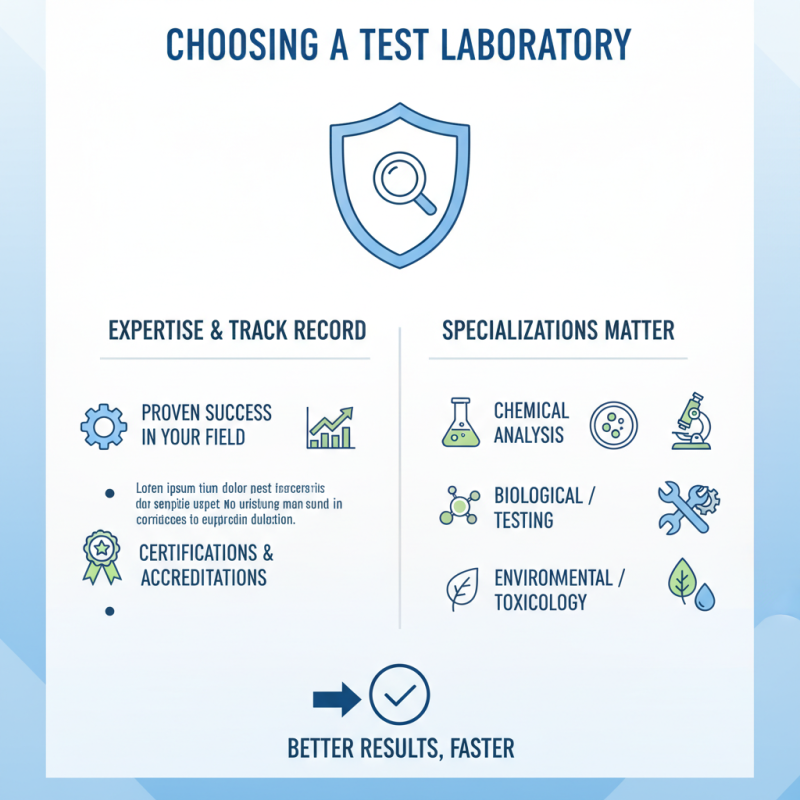
When selecting a test laboratory, expertise and specializations matter greatly. Look for labs with a proven track record in your specific field. Some labs focus solely on chemical analysis, while others might excel in biological testing. Understanding these specialties can save you time and ensure better results.
Consider certifications and accreditations. A lab's quality often reflects its level of expertise. However, not all certifications guarantee the same quality. It’s essential to dig deeper. Speak with staff to gauge their knowledge and experience. Ask about their testing methods and equipment. Sometimes, a lab may not have cutting-edge tools, but the team's expertise makes up for it.
Check the laboratory's past performance and client feedback. Real-world experiences often tell a better story than brochures. Look for patterns in feedback. Issues with turnaround time or accuracy might indicate deeper problems. Trust your instincts. Relying solely on lab credentials can be misleading. A personal conversation may reveal more about their commitment to quality.
Reviewing Facility Infrastructure and Equipment Quality
When evaluating test laboratories, facility infrastructure and equipment quality are critical. A lab's physical space should be organized and conducive to efficient workflows. Look for well-maintained areas free from clutter. If the lab appears disordered, it may indicate poor management.
The equipment within the facility must be up-to-date and properly calibrated. Inspect the types of machines available. Are they suitable for the tests you need? Knowing the age of the equipment can raise concerns. Older machines could lead to inaccuracies. Don’t hesitate to ask about the maintenance protocols in place. Good labs have regular checks to ensure everything works as intended.
Tip: Review the lab’s certification and accreditation. This shows a commitment to maintaining high standards. Look beyond the surface; an impressive exterior might hide underlying issues. Another tip is to observe the staff’s expertise. Well-trained personnel make a significant difference to quality control. If the staff doesn’t seem knowledgeable, that could undermine your results as well.
Top 5 Tips for Choosing the Right Test Laboratories
| Criteria |
Description |
Importance Level |
| Facility Infrastructure |
Evaluate the design and condition of laboratory facilities. |
High |
| Equipment Quality |
Assess if the lab uses modern and well-maintained testing equipment. |
High |
| Accreditations |
Check for recognized accreditations that validate the lab's credibility. |
Medium |
| Expertise of Personnel |
Determine the qualifications and experience of the laboratory staff. |
High |
| Customer Reviews |
Look for feedback from previous clients to gauge satisfaction and reliability. |
Medium |
Comparing Turnaround Times and Cost-Effectiveness of Services
When selecting the right test laboratory, turnaround times and cost-effectiveness are key factors. You want quick results but without breaking the bank. Start by comparing the service times of different labs. Some labs may promise fast results but charge a premium. Others might offer lower prices but have longer waits. Understanding this balance is vital.
Cost is another crucial element. It’s worth requesting quotes from multiple labs. Some may include hidden fees, while others are transparent. Be mindful of what each service includes. Don’t settle for vague information. Instead, ask detailed questions to clarify what you're paying for.
Evaluate lab capabilities too. Their specialization can impact both price and speed. A lab focused on a specific area may deliver quicker outcomes with better accuracy. Be aware that choosing based solely on speed could sometimes compromise quality. Reflect on these aspects to ensure you make an informed decision tailored to your needs.
Top 5 Tips for Choosing the Right Test Laboratories