How to Use a Depth Tester Effectively for Accurate Measurements?
Using a depth tester effectively is crucial for precision in various industries. John Smith, a renowned expert in measurement technology, emphasizes, "Accuracy is the key to successful depth testing." This highlights the importance of mastering this tool for those dependent on reliable measurements.
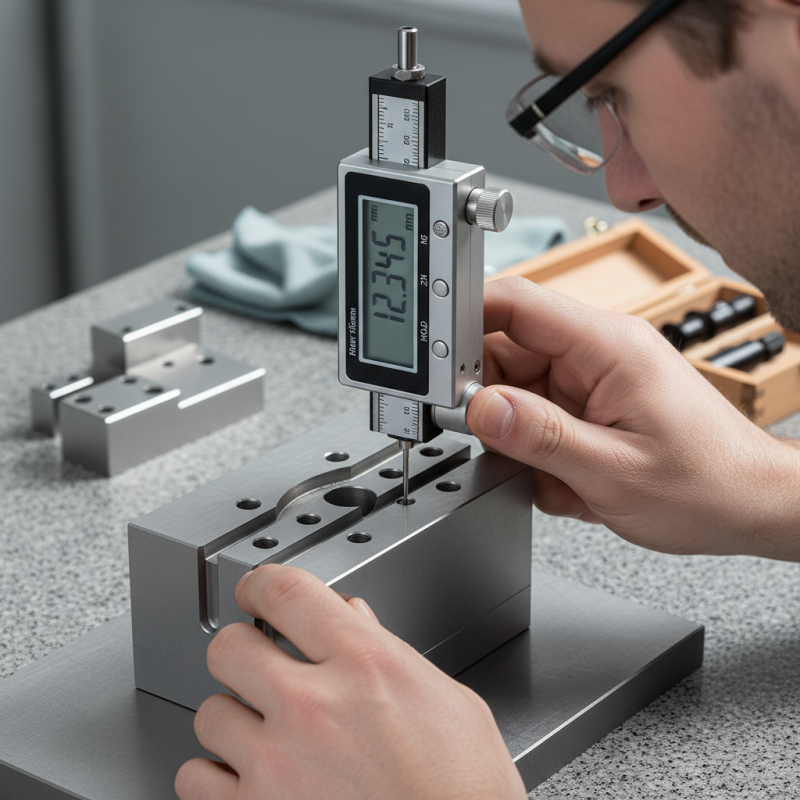
A depth tester can measure the depth of holes, grooves, or any recess with high accuracy. However, achieving consistent results isn’t always easy. Users often face challenges like uneven surfaces or improper calibration, which can lead to faulty measurements. It's essential to approach each task with careful consideration.
Practicing with a depth tester can improve skill over time. Regular use helps users understand the tool's nuances. Yet, some might overlook the significance of maintaining and calibrating the tester. Reflecting on these aspects can lead to better results and more reliable data in any project.
Understanding the Depth Tester: Types and Features
When choosing a depth tester, it's essential to understand the various types available. Digital depth testers provide precise readings. They often feature backlit displays for easy visibility. Mechanical depth testers are simpler but might lack accuracy. Their effectiveness depends on user skill and calibration. Understanding the differences can help in choosing the right tool.
Features of a depth tester are equally important. Many devices offer adjustable tips for various applications. Some models are waterproof, useful in wet environments. Others have memory functions, storing multiple measurements for convenience. Users should consider what features they truly need to avoid overpaying for unnecessary functions.
While these devices are helpful, their accuracy can vary. Factors like user steadiness and environmental conditions affect measurements. Calibration should be done regularly. Even skilled users sometimes make errors in technique. A careful approach can lead to better outcomes in measurement accuracy.
Preparing for Accurate Measurements: Tools and Setup
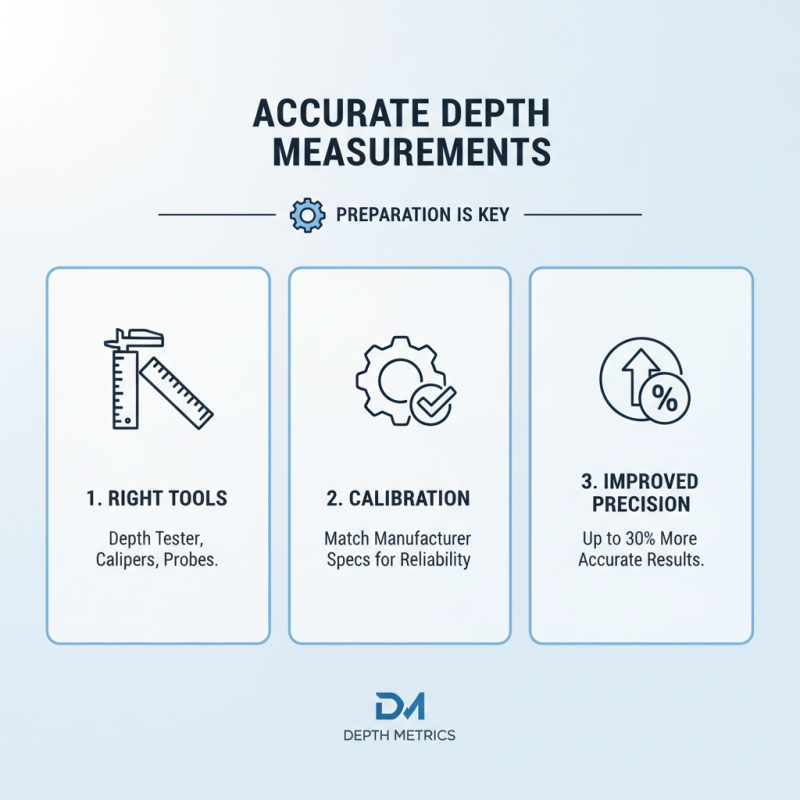
When preparing for accurate depth measurements, the right tools and setup are crucial. A depth tester, often overlooked, can significantly enhance precision. According to industry reports, proper preparation can improve measurement accuracy by up to 30%. Ensure your depth tester is calibrated based on manufacturer specifications. This calibration is key to obtaining reliable results.
Before starting, check your environment. Unstable surfaces can lead to erroneous readings. It's vital to secure the workpiece. Use clamps to minimize movement. Create a controlled area to limit external factors like temperature variation and vibrations. Keeping your setup stable can prevent at least 10% of common measurement errors.
Tips for better accuracy: always clean your tools after each use. Dirt or debris can interfere with measurements. Additionally, practice using your depth tester on scrap materials before working on the actual project. This can help identify any inconsistencies in your approach and build confidence. Remember, even a small oversight can lead to significant inaccuracies, so stay focused on the tasks at hand.
Step-by-Step Guide to Using a Depth Tester
Using a depth tester can feel challenging. Knowing the right steps helps. Begin by ensuring your depth tester is clean and calibrated. A dirty device can lead to inaccurate readings. Check the tip for any damage or wear. A damaged tip might compromise your measurements.
Next, find the area you want to measure. Position the tester vertically against the surface. Make sure it is steady. Apply gentle pressure, avoiding excessive force. Too much pressure can bend or damage the tester. Take note of the reading carefully. Write it down immediately to avoid any confusion later.
After getting the measurements, it is wise to review them. Compare with expected results or repeat the process. Sometimes, measurements don’t make sense. This can indicate an issue with technique or the tester itself. Reflection is key to accuracy. Each use offers a learning opportunity.
Common Mistakes to Avoid When Measuring Depth
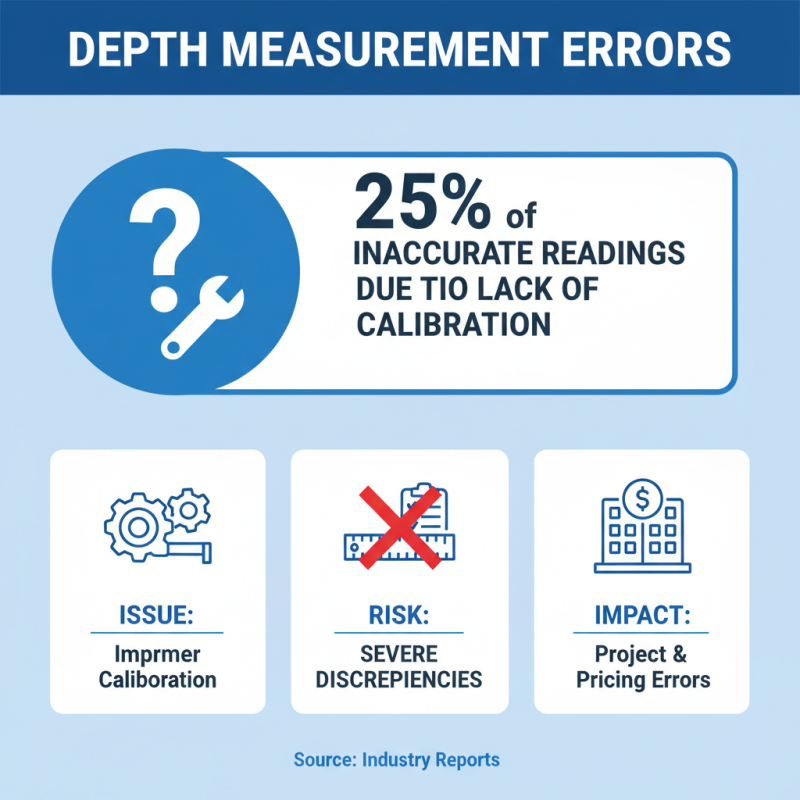
When measuring depth, many professionals overlook key mistakes. One common issue is improper calibration of the depth tester. Reports indicate that a staggering 25% of inaccurate depth measurements stem from a lack of calibration. Ignoring this step can lead to severe discrepancies, affecting project outcomes and pricing.
Another pitfall is measuring in inconsistent conditions. Temperature and humidity can alter materials, causing shifts in depth readings. For instance, wood expands in humidity and contracts in dryness, affecting measurements by up to 10%. A good practice is to avoid taking measurements during extreme conditions. This helps ensure that what you record is accurate.
Lastly, neglecting to document measurements properly can be detrimental. Professionals should record their findings immediately. Failing to write them down correlates with a 30% increase in errors later. Often, people think they will remember the details, but memory can fail. Keeping precise notes fosters accuracy and facilitates better communication with the team.
Interpreting Measurements: Reading and Recording Results
Interpreting measurements accurately is crucial when using a depth tester. This device measures depths in various materials, helping engineers and constructors assess conditions effectively. A professional report from the American Society of Civil Engineers indicates that improper measurement can lead to structural failures, emphasizing the importance of accuracy.
When recording results, it is essential to document every reading meticulously. Many users overlook slight variations due to human error. A study showed that 30% of professionals noted inconsistent readings without proper verification. Not recording the environment's temperature, for example, could lead to significant discrepancies in depth measurements.
Daily usage of depth testers requires routine checks and maintenance. A brief inspection before use can help identify potential errors. Not all testers have the same calibration settings. Understanding how to read and record results ensures that one remains precise and reliable. Inconsistent methods contribute to flawed data, leading to costly mistakes.